The world is in an AI race. India stands at a crossroads. The stakes are huge. It’s about who controls AI technology. It’s about who controls the infrastructure. It’s about who controls how AI reaches people.
Mukesh Ambani and Reliance are making a bold move. They aim to disrupt India’s AI future. This mirrors their success with Jio in telecom. Ambani envisions AI built on Indian land. He wants Indian control.
But how will they do it? They’re not fighting big tech. Instead, they’re partnering up. This strategy is called “coopetition.” It means working with rivals to grow faster. This approach is key to Reliance’s AI ambitions.
Reliance’s Aggressive AI Strategy: The Jio Playbook Reimagined
Reliance is launching a major AI initiative. It’s on a massive scale. They are using a proven strategy. This strategy brought them victory in telecom. It’s all about building an AI foundation for India.
- Build large-scale infrastructure in India.
- Partner with global giants for technology.
- Retain market control domestically.
This approach aims to ensure that AI innovation stays within India’s borders, reducing reliance on foreign-controlled platforms.
Reliance Intelligence: A $100M Joint Venture with Meta
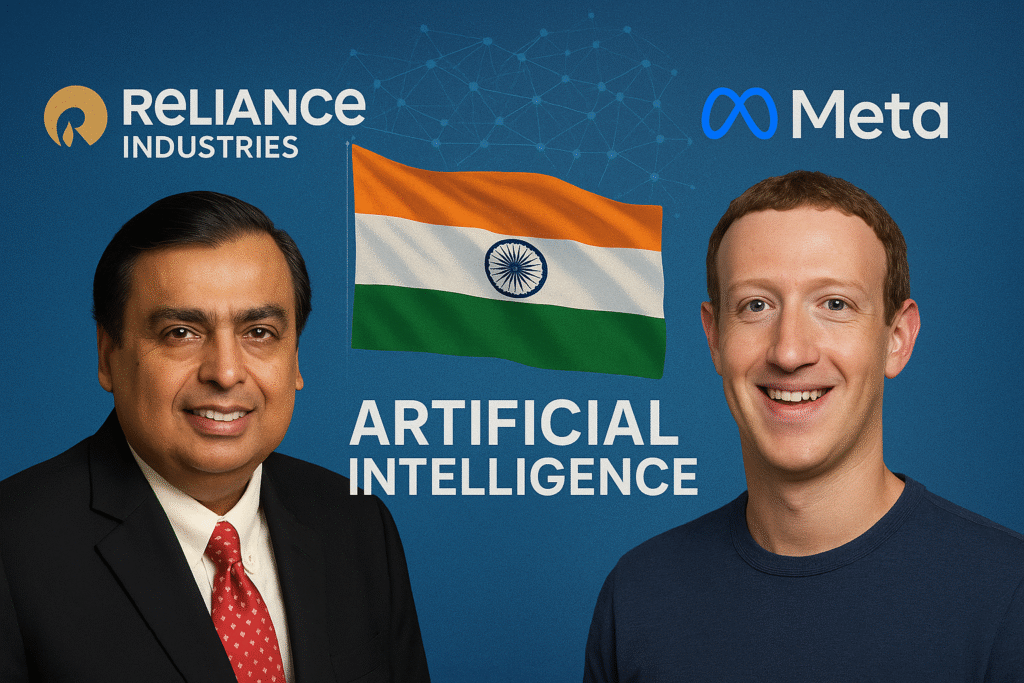
Reliance has formed a new company. It’s called Reliance Intelligence. This subsidiary is solely focused on AI. Its mission is clear. They will build huge data centers. They will hire top AI talent. They plan to offer AI services for different industries. Reliance Intelligence is a $100 million joint venture. Meta holds a 30% stake. Reliance owns the other 70%. Together, they will bring Meta’s Llama AI models to Indian businesses. These models can help with customer service. They can also help in finance. Crucially, all this will happen in India. It will be under Indian rules. This subsidiary will:
- Build large-scale data centers.
- Hire top AI engineers & researchers.
- Deploy Meta’s Llama AI models for Indian businesses.
This means Indian companies can use cutting-edge AI solutions while ensuring data sovereignty under Indian regulations.
Building India’s AI Infrastructure Backbone
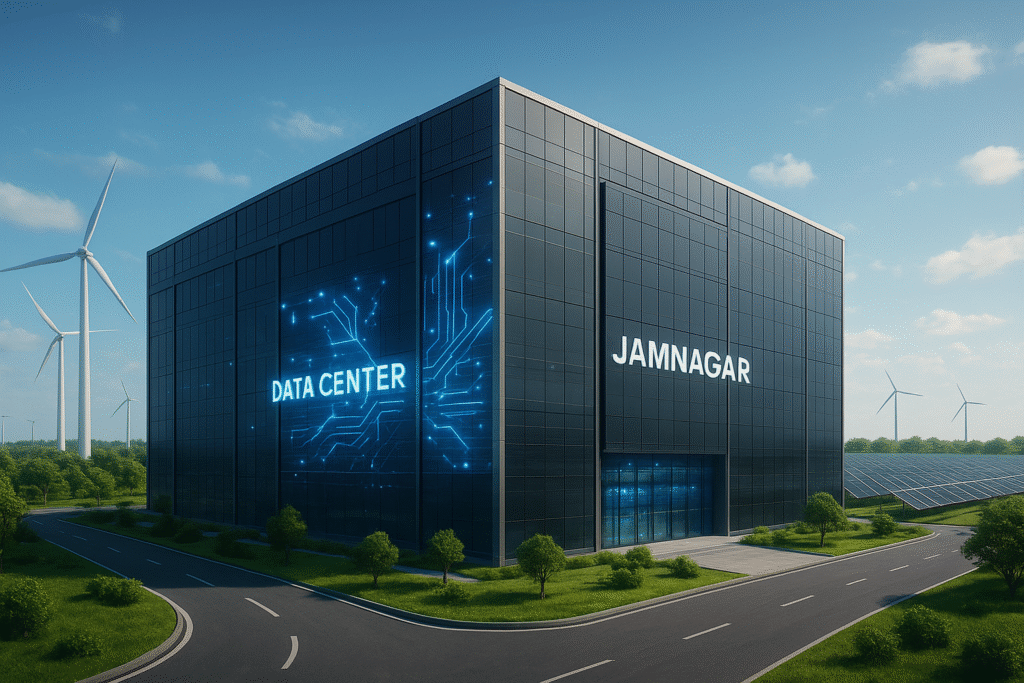
Reliance is investing heavily in AI infrastructure. This is what India needs. They plan to build massive data centers. These centers will be in Jamnagar. They will be powered by clean energy. Morgan Stanley estimates a single 1-gigawatt facility needs many advanced chips. Reliance isn’t going it alone. They are teaming up with Google Cloud. They will create a special AI cloud region. This will be in Jamnagar. Indian companies and the government can use these local AI servers. Reports suggest Reliance is also talking to OpenAI. This could mean more big partnerships. These data centers will build
- Mega facilities in Jamnagar powered by clean energy.
- Special AI Cloud Region in partnership with Google Cloud.
- Talks with OpenAI for deeper collaboration.
This infrastructure will allow Indian businesses and government institutions to run AI models locally, securely, and affordably.
The “Coopetition” Strategy: Partnering with Rivals
Why partner with tech giants? Reliance wants to avoid foreign control. But they also need global expertise. Their strategy is smart. It’s called “coopetition.” They cooperate with rivals to gain an edge.
Lessons from Jio’s Telecom Domination
Remember Jio? It changed India’s telecom market. Jio offered cheap data and fast 4G. It quickly became the top operator. It now has over 500 million users. But Jio didn’t build it alone.
Jio worked with big global companies. These included Facebook and Google. Intel and Qualcomm also invested. They poured over $20 billion into Jio. In return, they got access to India’s huge user base. Jio, however, kept market control.
Applying “Coopetition” to the AI Landscape
Ambani is using this Jio playbook for AI. Reliance wants to learn from big tech. They will use AI models and cloud skills. This will all be housed in Indian infrastructure. It will use Indian energy. Jio’s vast network will distribute the services.
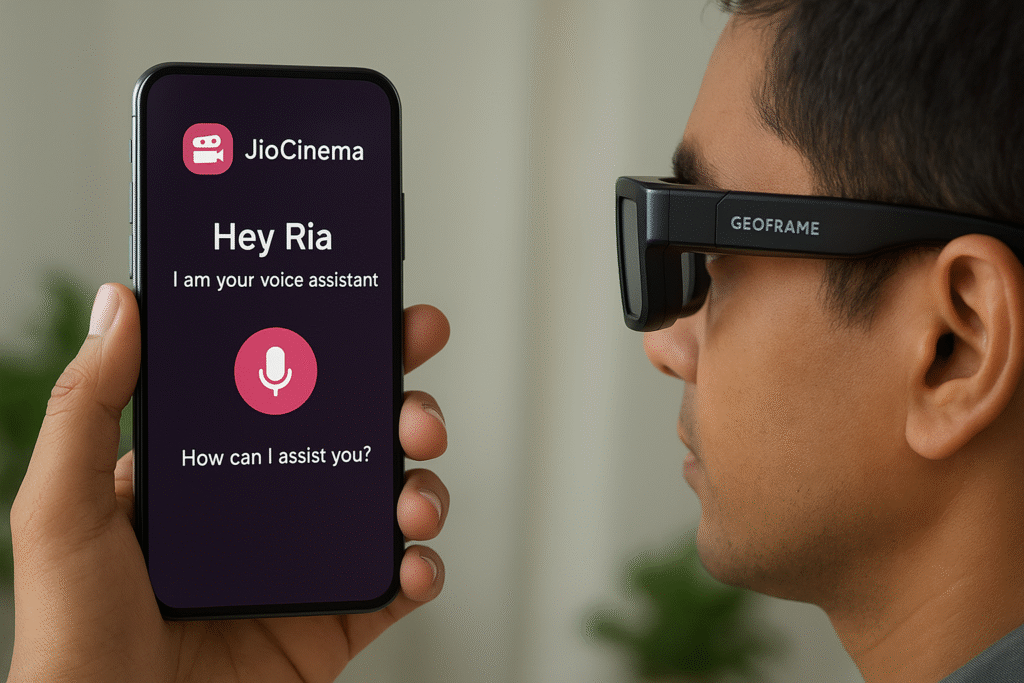
Reliance is already testing AI. JioCinema has a new voice assistant. It’s called Ria. It helps users find shows. They also have voice cloning. This lets actors speak in any language. They also have smart glasses. These have built-in AI. Another product, GOPC, makes any screen an AI computer.
Integrating AI into Reliance’s Ecosystem and Beyond
Reliance is putting AI into action now. They are adding it to their popular products. This shows how AI can improve services. It can make them more personal.
JioCinema is a good example. It has 300 million customers. The Ria assistant is a big step. Voice cloning is also a novel feature. It bridges language barriers. GeoFrame smart glasses are another innovation. They bring AI to wearable tech. GOPC offers cloud-based AI computing. It makes existing screens smarter.
The Vision: India’s AI-Native Digital Economy
This is more than just tech. It’s about control. Reliance wants control of computing power. They want control of infrastructure. They want control of distribution. The US has its giants. China has its own. India has lacked a major player.
Reliance aims to fill this gap. They want India to be the first “AI-native” digital economy. This means AI is deeply integrated. It’s part of the economy’s core.
India’s Semiconductor Ambitions: The ISRO Vikram 32 Processor
India is also advancing in chip technology. This is crucial for AI. ISRO, India’s space agency, has a new processor. It’s called Vikram 32. This is a big win for self-reliance.
ISRO’s Vikram 32: A Leap in Indigenous Chip Design
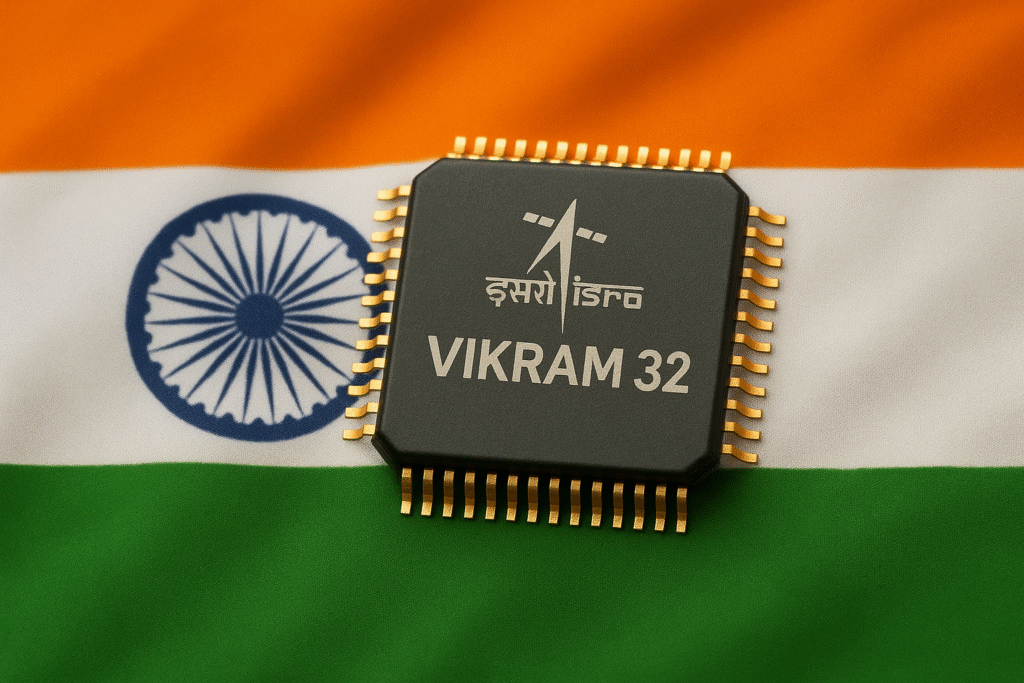
Vikram 32 is a 32-bit processor. ISRO designed and built it in India. It’s meant for rockets and satellites. It was successfully tested on a recent mission. ISRO has made chips before. They had a 16-bit version since 2009.
Vikram 32 is a major upgrade. It’s faster and more capable. It’s built to survive space conditions. This includes radiation and long missions. This chip shows India’s growing chip design skills.
Towards Mass Production and Strategic Independence
This achievement is also about India’s chip industry. The government has a plan. It offers big incentives. This supports new chip factories. Companies like Tata and Micron are involved. India can now design chips. Soon, they can make them in large numbers.
India’s focus is on reliability. It’s not always about the fastest chip. For rockets and defence, trust is key. Vikram 32 meets this need. It’s a step toward independence.
Quick News Updates: AI, IPOs, and EV Innovation
There’s other exciting news. Bo is working on a new chip. It will be made in India. Tata Electronics will assemble it. Bo plans to use it in its devices.
Ola’s company, Kitim, had layoffs. This affects its language teams. It’s part of a company restructuring.
Two companies are planning to go public. Urban Company and Bo are aiming for IPOs. They are seeking to raise significant funds.
OpenAI is looking to build a big data centre in India. This is part of a global project. It shows India’s growing importance.
Aether Energy revealed a new electric scooter concept. It’s called Project Redux. It has futuristic features. It highlights the future of electric vehicles.
Startup Funding Landscape: Key Investments This Week
Indian startups are attracting investment. This week, they raised $158 million. This is more than last week.
Notable Funding Rounds
City Mall raised $47 million. It’s an e-commerce platform. It serves smaller towns. SECO, an online learning platform, got $28 million. It offers short video lessons. First Club, a quick commerce service, secured $23 million. It focuses on premium groceries.
Kuzzle, a gadget maker, raised 5 crore rupees. They make power and charging products. Edge Hacks received 1.4 crore rupees. They build boards for smart devices.
Conclusion
Reliance’s AI strategy is ambitious. They are using “coopetition.” They partner with global tech firms. But they aim to keep control in India. This is similar to their Jio success.
Building infrastructure is key. So is independence. ISRO’s new chip shows this focus. Reliance’s AI plans and ISRO’s chip both point to India’s growing tech strength.
Can Reliance repeat its Jio triumph in AI? Can they build India’s AI future with global help? Let us know what you think in the comments.