iPhone 17 Series
iPhone 17 Series: Apple’s Boldest Design Yet?
Apple is gearing up to capture the world’s attention once again with the official launch of the iPhone 17 series on September 9, 2025, at its highly anticipated “Awe Dropping” event. Unlike previous years, where upgrades were mostly incremental, the iPhone 17 lineup is being hailed as one of the biggest design and technology shifts in iPhone history. Tech enthusiasts, Apple fans, and industry experts are already buzzing with excitement as leaks and reports confirm a radical redesign, slimmer form factors, and groundbreaking performance upgrades.
The new family of devices will consist of four models—the iPhone 17, the ultra-slim iPhone 17 Air, the professional-grade iPhone 17 Pro, and the feature-loaded iPhone 17 Pro Max. With Apple retiring the “Plus” model this year, the company is clearly focusing on streamlined design, advanced camera systems, and next-gen processors to create a stronger identity for each device. For those eagerly searching for the iPhone 17 release date, price predictions, specs, and key features, this launch is shaping up to be the most defining Apple event of 2025, setting new standards for what a flagship smartphone can deliver.
What’s Changing and What Makes It Different Than Before
Design Revolution: A Bold New Look
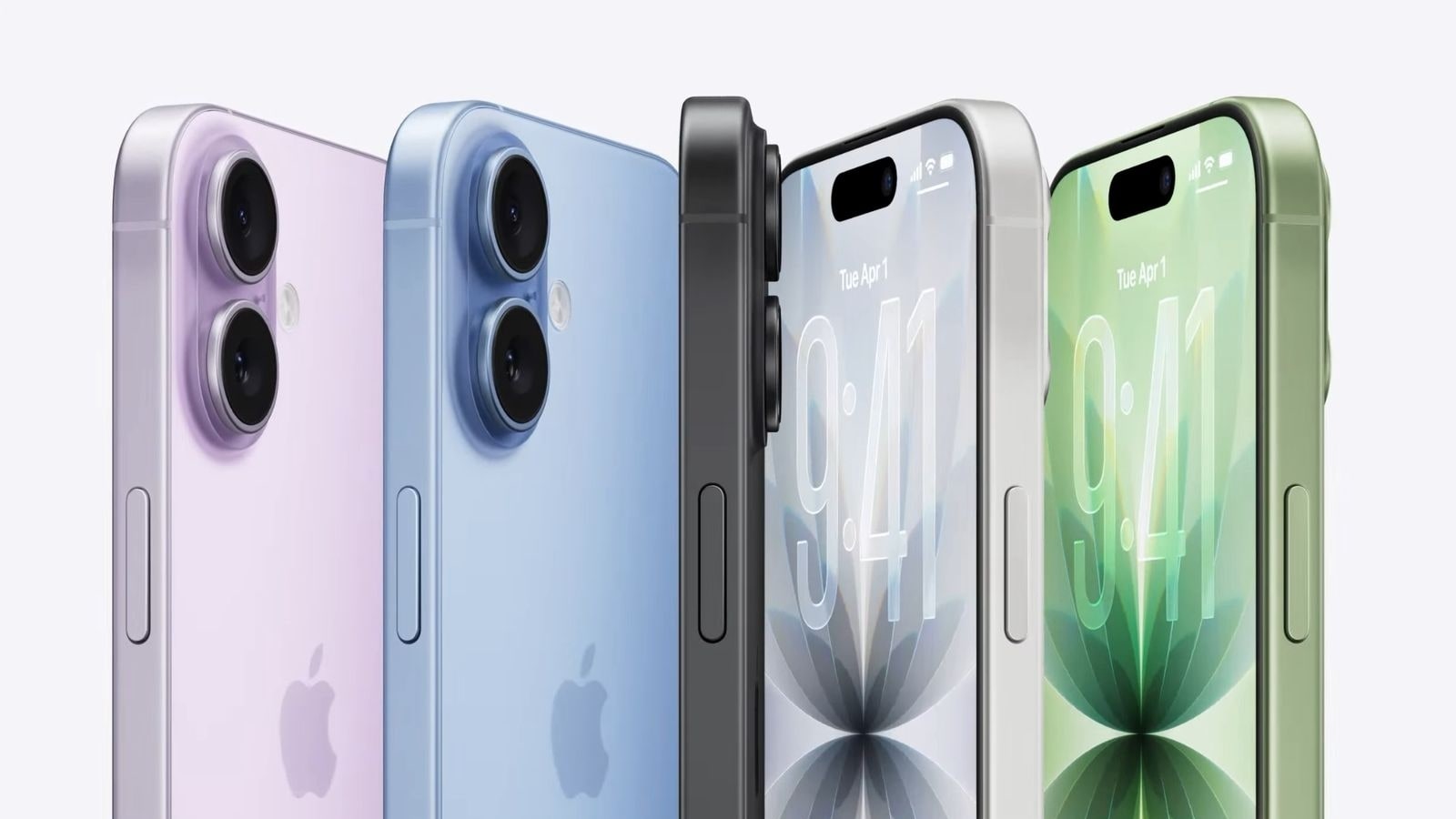
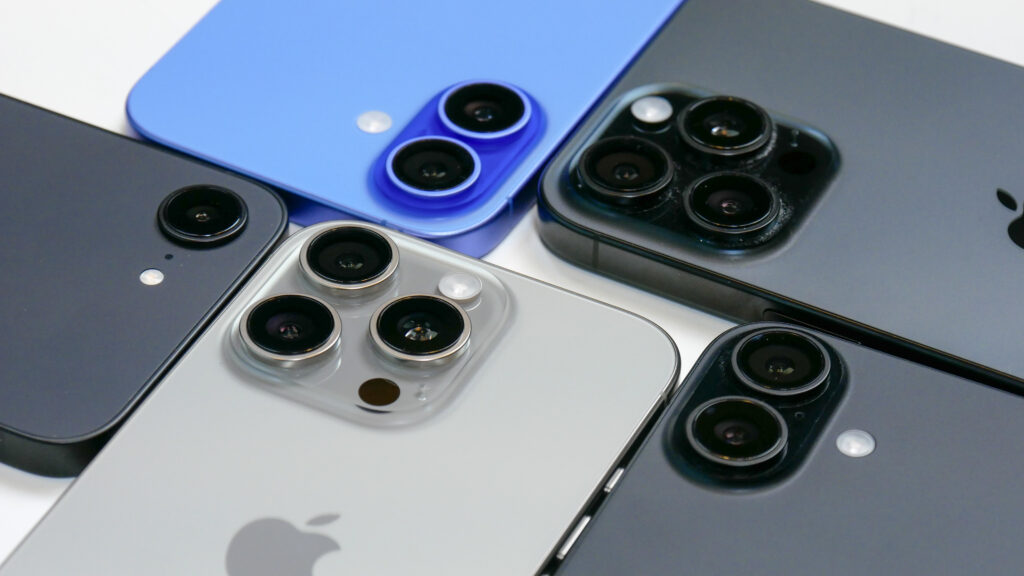
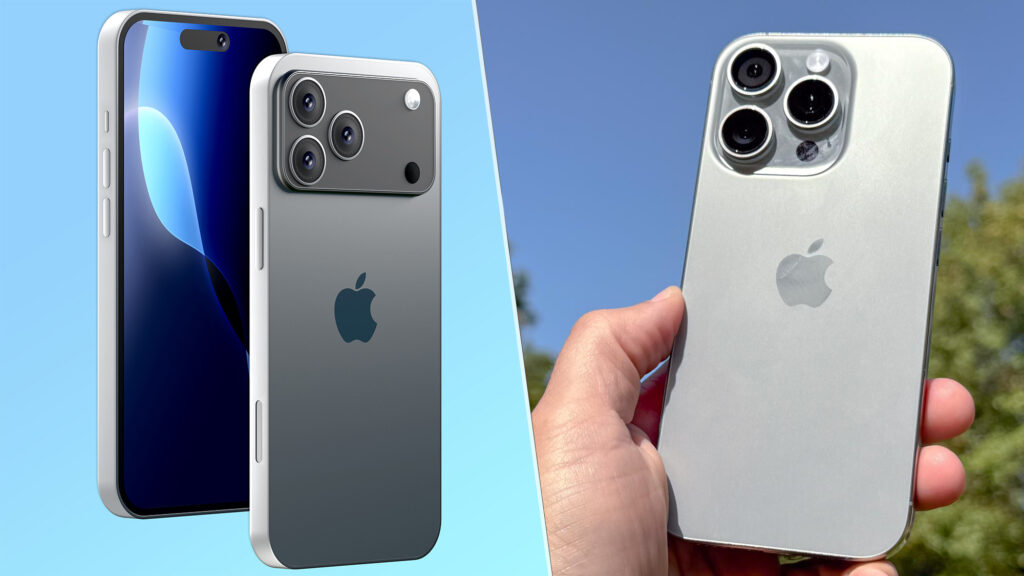
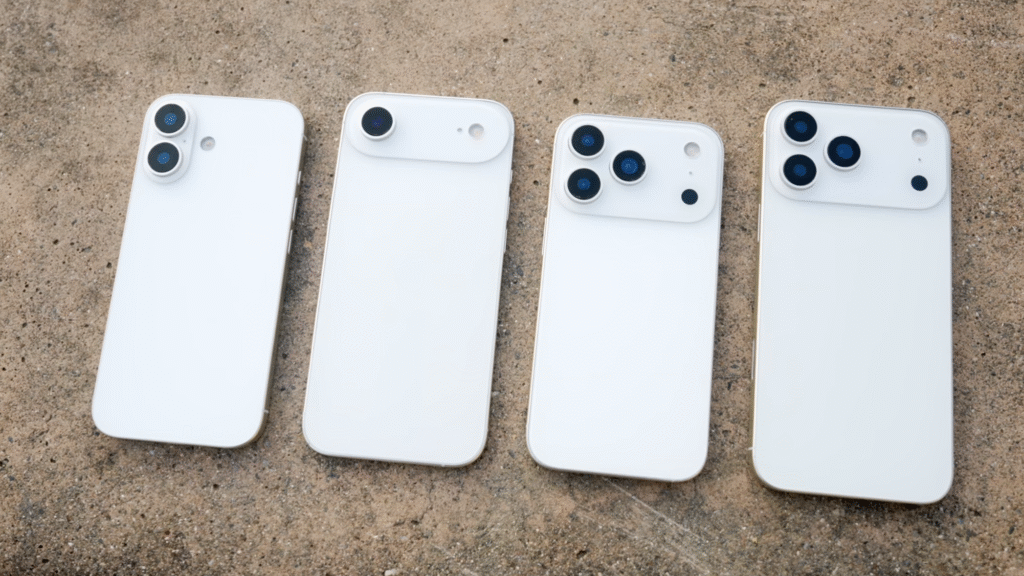
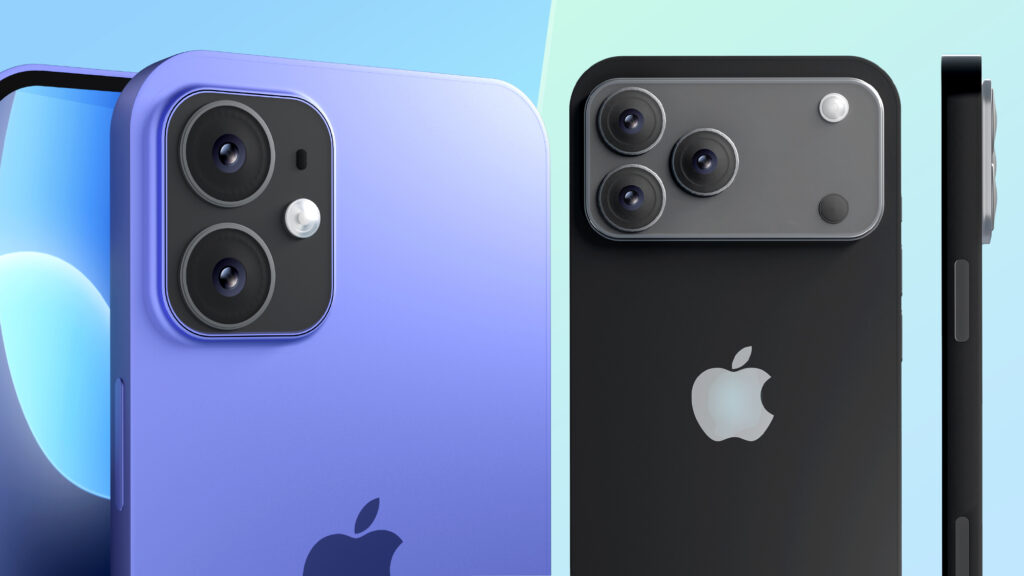
Apple has never been afraid to tweak the iPhone’s design, but with the iPhone 17 series, it feels like we’re entering a completely new chapter. The most eye-catching change is undoubtedly the camera redesign. For years, we’ve grown accustomed to Apple’s diagonal camera arrangement, but the iPhone 17 Pro, Pro Max, and Air are rumored to embrace a sleek horizontal camera bar that stretches neatly across the back. This bold choice draws inevitable comparisons to Google’s Pixel devices, but Apple is adding its signature polish—merging aesthetics with functionality.
Then comes the iPhone 17 Air, the model that’s likely to grab the spotlight. At an astonishing 5.5 mm thin (excluding the camera bump), it is expected to be the slimmest iPhone Apple has ever created. Imagine the portability of the iPhone SE fused with the modern elegance of Apple’s flagship line—this is a leap that could redefine how thin and powerful a premium smartphone can be. For design enthusiasts and minimalists, this is where Apple makes its statement.
On the display front, Apple is refining the lineup while keeping its premium promise of 120 Hz refresh rates across the board.
- iPhone 17 / Pro: 6.3″ OLED
- iPhone 17 Air: 6.6″ OLED
- iPhone 17 Pro Max: 6.9″ OLED
Whether you’re watching movies, gaming, or multitasking, the smoother scrolling and vibrant visuals are expected to be a delight.
Power & Performance: The A19 Era
Of course, what’s inside matters just as much as how it looks. The iPhone 17 and iPhone 17 Air will be powered by Apple’s brand-new A19 chip, while the iPhone 17 Pro and Pro Max will feature the more advanced A19 Pro, designed for peak performance in demanding tasks like gaming, video editing, and AI-driven apps.
Connectivity also gets a major boost with Wi-Fi 7 support, promising faster and more stable internet speeds. Rumors even suggest Apple may debut its own in-house modem, giving the company greater control over energy efficiency and network reliability.
Memory and storage are scaling up too:
- Pro / Pro Max: Up to 12 GB RAM with storage options ranging from 256 GB to a whopping 1 TB.
- Standard / Air: 8 GB RAM starting at 128 GB, ensuring even the entry-level models can handle intensive tasks smoothly.
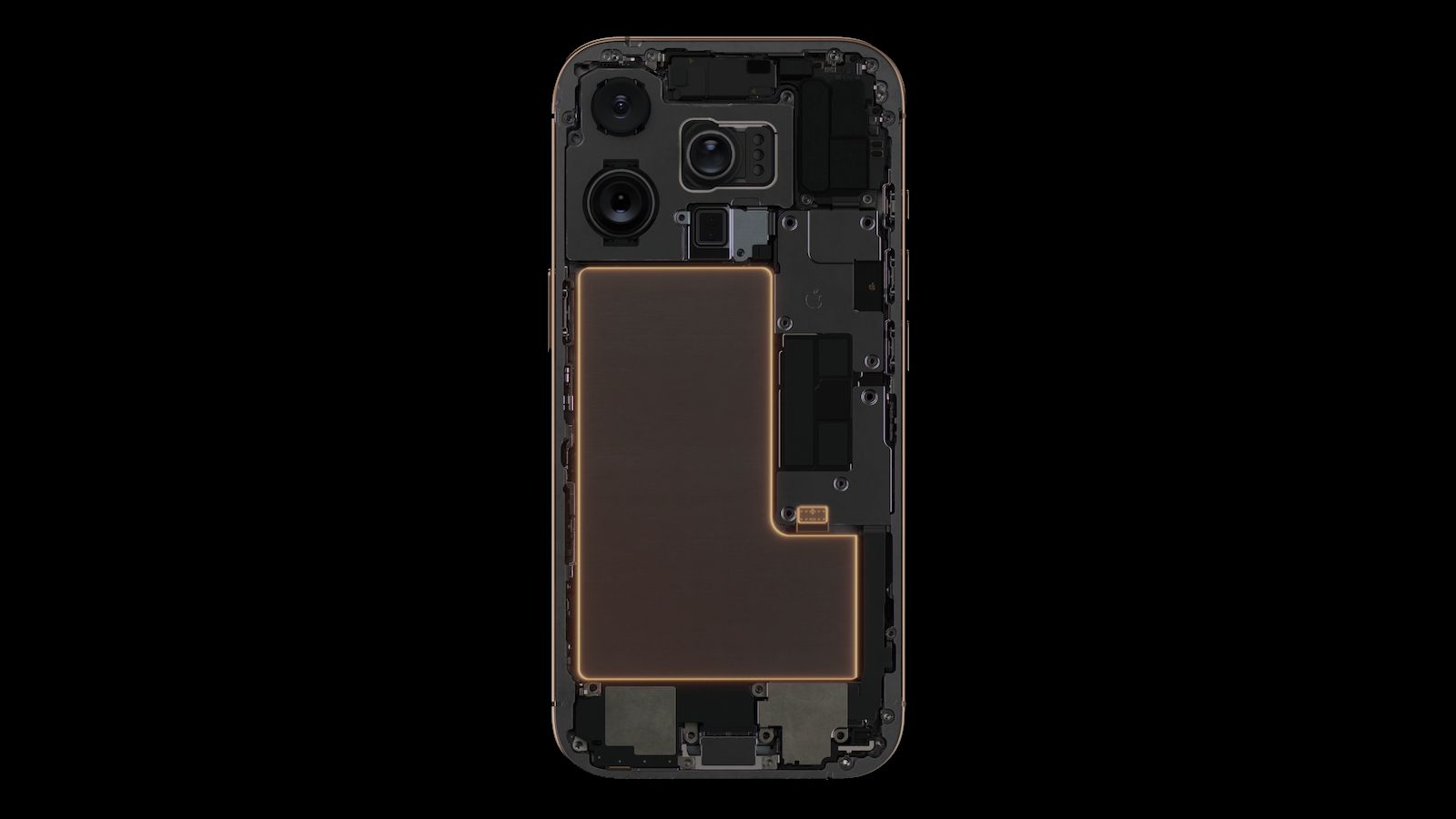
And then there’s the battery—an area where Apple has historically faced criticism. The iPhone 17 Pro Max could sport a 5,500 mAh battery, the largest ever in an iPhone, while even the base iPhone 17 is expected to cross the 5,000 mAh mark. Combined with 35W wired charging and 50W MagSafe wireless charging, Apple is finally addressing the demand for quicker, more reliable power management.
Camera Upgrades: A Photographer’s Dream
Apple has long positioned the iPhone as one of the best camera phones in the world, and the iPhone 17 series raises that bar even higher. All models are rumored to include a 24 MP front camera, a massive leap that promises crystal-clear selfies, sharper video calls, and even better low-light portrait shots.
On the back:
- Pro / Pro Max: A triple-lens setup with a 48 MP primary sensor, telephoto lens offering up to 8× optical zoom, and ultra-wide sensor. These models might also introduce mechanical aperture control, 8K video recording, and even vapor-chamber cooling to keep the device steady during high-performance camera use.
- Standard / Air: A 48 MP main sensor supported by Apple’s computational photography algorithms, ensuring everyday users still get professional-quality shots.
One more exciting rumor? Reverse wireless charging. Imagine charging your AirPods or even another iPhone just by placing it on the back of your iPhone 17 Pro Max. Apple may finally be ready to deliver this long-requested feature.
Software & Ecosystem: iOS 26 and Beyond
Every new iPhone comes with a new version of iOS, and this year it’s iOS 26. Apple is teasing a “Liquid Glass” interface, promising ultra-fluid animations, smooth transitions, and a refreshed look that could make navigating your iPhone feel more intuitive than ever.
And it’s not just about the iPhone. Apple’s September event is expected to showcase updates across the ecosystem, including the Apple Watch Series 11, Apple Watch Ultra 3, and AirPods Pro 3. This interconnected launch reinforces Apple’s strategy of creating a seamless digital lifestyle, where each device complements the other perfectly.
Why It Matters
For Apple fans, tech enthusiasts, and industry analysts, the iPhone 17 series is far more than a routine refresh—it represents a bold strategic shift in Apple’s vision for the future of smartphones. This isn’t just about faster chips or sharper displays; it’s about redefining the design language and product lineup to better reflect evolving consumer expectations.
The biggest game-changer here is undoubtedly the iPhone 17 Air, the thinnest iPhone ever produced. At just 5.5 mm, it signals Apple’s commitment to pushing the boundaries of portability without compromising on performance. For users who prioritize lightweight, sleek, and ultra-modern designs, this model could set a new industry standard.
On the other side of the spectrum, the Pro and Pro Max models will likely capture the attention of power users, photographers, and professionals who crave cutting-edge camera systems, high-performance processors, and extended battery life. This dual strategy—an ultra-thin Air for design-first buyers and Pro models for performance-first users—shows Apple’s intent to cater to two distinct market segments while keeping the lineup simple.
Apple’s decision to drop the “Plus” model further emphasizes clarity. Instead of overwhelming buyers with too many options, the lineup now makes it easier to choose based on budget, design preference, or professional-level features. Analysts are already predicting a 3.5% boost in iPhone sales, with the Air’s innovation and the Pro series’ raw power driving demand across global markets.
Final Thoughts
The iPhone 17 series has the potential to become one of Apple’s most influential launches of the decade. By blending daring design choices like the ultra-slim Air with serious hardware advancements in the Pro Max, Apple is signaling that it’s ready to once again lead the conversation in smartphone innovation. Add in the debut of iOS 26’s Liquid Glass interface and a refreshed Apple ecosystem, and this launch feels like more than just a phone—it’s the start of Apple’s next chapter.
As the countdown to the September 9, 2025 event continues, anticipation is building worldwide. The question now isn’t whether the iPhone 17 series will succeed—it’s which model will define the future of Apple’s smartphone strategy. Will it be the power-packed iPhone 17 Pro Max, with its industry-leading performance and pro-level features? Or will the spotlight belong to the feather-light iPhone 17 Air, a design marvel that reimagines what a smartphone can be?
Either way, Apple is making it clear: the iPhone 17 is not just another iPhone—it’s a statement.
📱 iPhone 17 Lineup: Models and Differences
Here’s a breakdown of what each iPhone 17 model will likely offer:
- iPhone 17 (Standard)
- Entry-level flagship with a refined design.
- 6.3″ OLED display at 120 Hz.
- Vertical dual-camera system.
- iPhone 17 Air
- Star of the show – the slimmest iPhone ever at just 5.5 mm thickness (excluding the camera bump).
- 6.6″ OLED display at 120 Hz.
- Expected to be lightweight but powerful with A19 chip.
- iPhone 17 Pro
- Balanced powerhouse with professional camera features.
- 6.3″ OLED with 120 Hz ProMotion.
- A19 Pro chip with advanced GPU performance.
- iPhone 17 Pro Max
- The ultimate flagship.
- Massive 6.9″ OLED display.
- Triple 48 MP camera setup with up to 8× optical zoom.
- Huge 5,500 mAh battery.
❓ iPhone 17 FAQ
Q1. What is the iPhone 17 release date?
The iPhone 17 series will launch on September 9, 2025. Pre-orders should open within days, with shipping starting mid-to-late September.
Q2. How much will the iPhone 17 cost?
Pricing is not confirmed, but estimates suggest:
- iPhone 17: starting around $799 (US)
- iPhone 17 Air: around $999 (US)
- iPhone 17 Pro: $1,099 (US)
- iPhone 17 Pro Max: $1,299+ (US)
Q3. What makes the iPhone 17 Air special?
The iPhone 17 Air will be Apple’s slimmest iPhone ever (5.5 mm), offering a large 6.6″ OLED display while maintaining ultra-lightweight design.
Q4. Does iPhone 17 support 8K video?
Yes, the iPhone 17 Pro and Pro Max are expected to support 8K video recording and mechanical aperture for advanced photography.
Q5. Which iPhone 17 has the best battery life?
The iPhone 17 Pro Max is expected to have the best battery, with a 5,500 mAh cell and optimized iOS 26 power management.